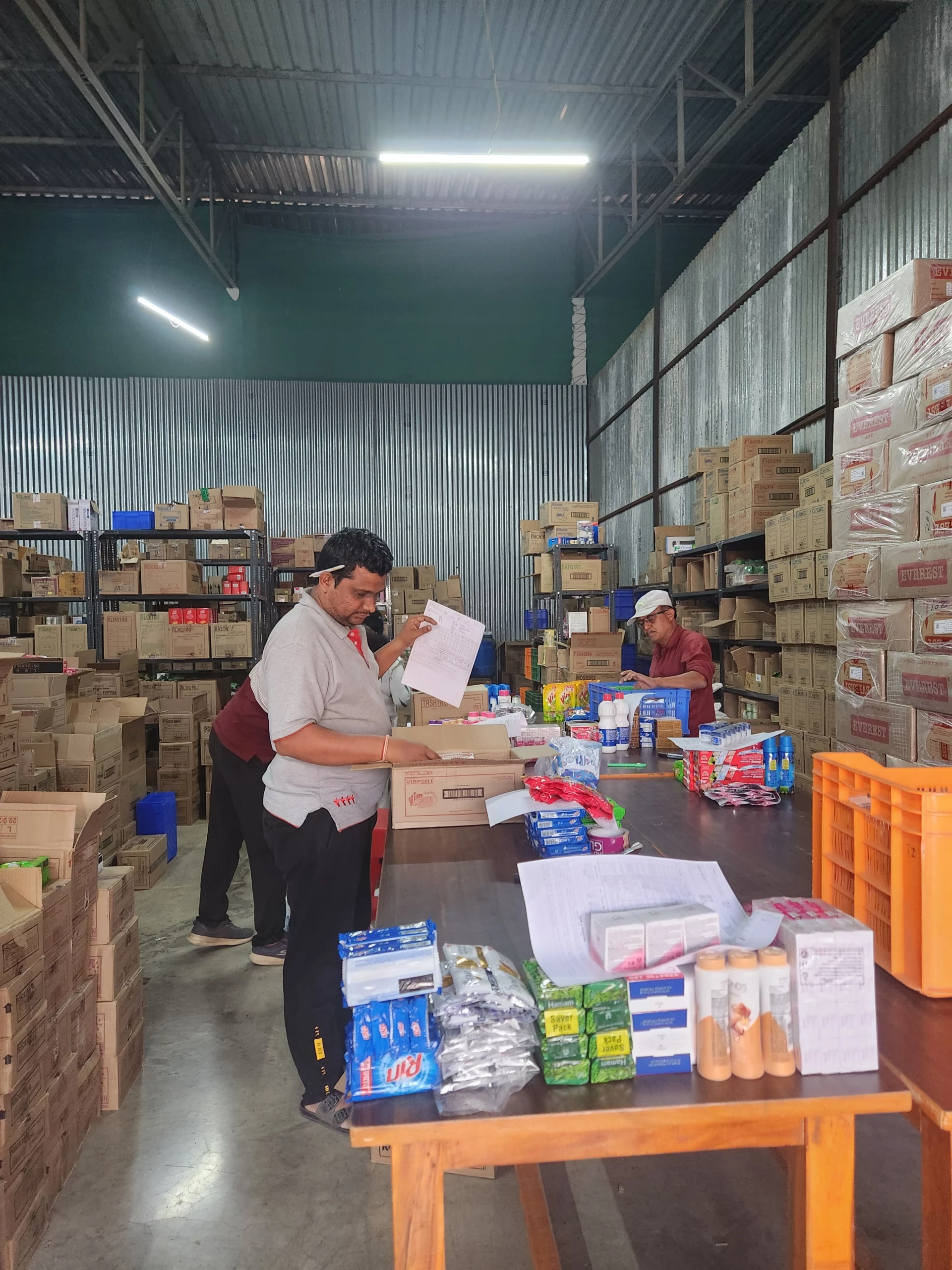
India’s Summer of ’26 is projected to see an 18-22% surge in FMCG demand due to heatwaves, harvest festivals, and shifts in consumer preferences within the personal care and beverages categories. CFOs face the perfect storm: 60-day DSO cycles, 25% working capital trapped in receivables, and inflation eroding margins by 3-5%. Stockpiles vanish from Kirana shelves amid supply chain strains, and trapped liquidity hampers scaling. CFOs know better; in this high-stakes environment, operational excellence isn’t optional; it is an absolute essential for ROCE uplift and survival.The FMCG industry in India is booming, driven by urbanisation and e-commerce. Yet FMCG supply chains grapple with volatile raw material costs, delayed payments from distributors, and working capital crunches. FMCG trends like quick commerce (think 10-minute deliveries) demand agility, where traditional financing falls short – leaving businesses with idle inventory and cash flow gaps.
A look at what happens with Upstream Vendors during summers
Vendors supplying raw materials like packaging, dairy, and polymers to FMCG anchors often struggle with volatile input costs and 45 to 60-day payment delays, tying up 25% of their working capital. In India, MSME vendors are critical for 70% of FMCG inputs. Yet they face credit access barriers amid heatwave-induced demand spikes, risking disruptions in personal care and beverage production. Vayana’s Vendor Financing allows early invoice payments at 8-10% rates (vs. 12-15% bank loans), stabilising suppliers without impacting the buyer’s balance sheet, as seen in programs prioritising high-risk SKUs.
How Downstream Dealers behave during summers
Dealers and distributors, including Kirana networks serving Bharat, grapple with 30 to 90- day DSO from quick commerce demands and stockouts during peak seasons, eroding margins by 2-4%. Multi-tiered supply chains amplify cash gaps, with retailers relying on distributor guarantees for inventory credit, amid poor infrastructure and regional demand shifts.
Case in point
One of India’s leading FMCG majors partnered with Vayana to fortify its dealer financing program ahead of the high-intensity season. By streamlining dealer onboarding and accelerating access to working capital, the company enabled 25+ dealers to tap into ₹6 crore with timely liquidity, ensuring they were financially equipped to manage rising demand.
The program sharply reduced process times, with onboarding dropping from 45 minutes to under 7 minutes and financing approvals shrinking from 1 hour to just 10 minutes. This empowered distributors to stock fast-moving SKUs without any cashflow delays, resulting in stronger fill rates, smoother secondary sales, and a more resilient supply chain – exactly the kind of operational excellence that would be demanded by the CFO’s office for the Summer ’26.
How Vayana Supply Chain Finance Becomes the Gamechanger:
In India’s competitive landscape, effective cash flow management is a key determinant of success. FMCG businesses lose ₹1.5 lakh crore annually to supply chain disruptions. Vayana SCF platform integrates seamlessly with ERP systems, offering real-time visibility and AI-powered risk assessment. Key benefits include:
- Unlocks Timely Liquidity: Convert invoices to cash in 24 hours, optimising FMCG supply chains
- Saves Cost: Rates 2-3% lower than bank loans, easing cash flow management
- Drives Scalability: From small distributors to large chains, powering operational excellence
CFO Metrics: The Vayana Edge
| DSO | 30-90 Days | 5-15 days | + 25-75 days liquidity |
| WC as % of Sales | 22% | 15% | 7% balance sheet relief |
| Borrowing Cost | 13% | 9% | 4% savings |
| Bad Debt Risk | 2.5% | 0.5% | 2% margin protection |
CFOs in India’s FMCG sector can indeed leverage tailored Supply Chain Finance (SCF) KPIs to optimise vendor (upstream) and dealer (downstream) financing, especially during high-demand periods like the Summer of ’26.
Upstream KPIs (Vendor Financing)
- Program Adoption Rate: Percentage of eligible vendors onboarded to SCF, targeting 70-80% for high-risk MSMEs in perishables or packaging
- Invoice Volume Financed: Total value of vendor invoices financed early, aiming to cover 50%+ of high-impact SKUs during peak seasons.
- SCF Utilisation Rate: Proportion of available credit lines used by vendors, tracking trends to forecast working capital needs
- Cost of Financing: Fees and interest as a percentage of financed volume, benchmarked under 2-3% for cost efficiency.
Downstream KPIs (Dealer Financing)
- Days Sales Outstanding (DSO): Average collection period from dealers, targeting reduction to 30-45 days via SCF incentives
- Working Capital Days: Net of DIO, DSO, and DPO specific to dealer networks, aiming for 60-90 days improvement.
- Trade Spend Efficiency: ROI on dealer financing promotions, measured as sales uplift per rupee financed
- Dealer Onboarding Coverage: Percentage of key dealers using SCF, prioritising high-volume routes for 90%+ penetration.
Monitor these via platforms integrating ERP data for real-time dashboards. Prioritise high-turnover vendors/dealers to avoid disruptions from heatwaves or demand surges.
Strategic Play for Summer of ’26
The Summer of ’26 demands resilience. Proactive CFOs use supply chain finance to de-risk operations and fund expansion. By leveraging supply chain finance solutions, FMCG brands can outpace peers, turning challenges into opportunities. At Vayana, we aren’t just financing the trade, we’re engineering operational excellence for India’s dynamic economy and sectors. Explore more case studies.
Ready to future-proof your business? Explore Vayana’s B2B trade credit today and schedule a demo.